
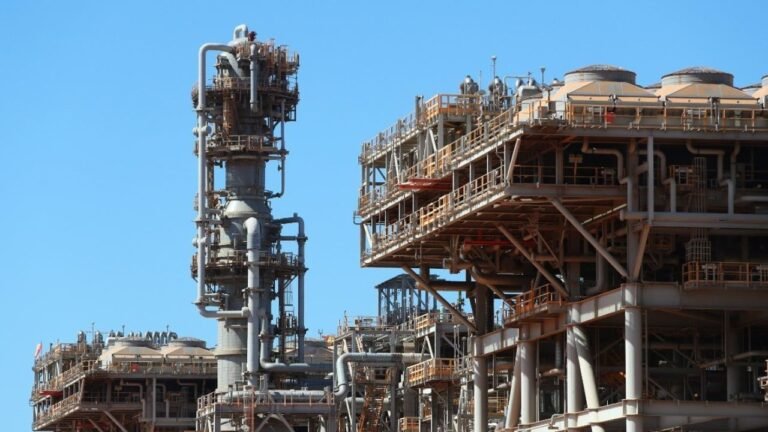
A powerful cyclone striking Australia’s key gas-producing regions has caused fresh disruptions to global energy markets. The damage to major liquefied natural gas (LNG) facilities has reduced supply levels at a time when demand remains strong worldwide. This situation is now raising concerns about price increases, supply shortages, and long-term impacts on energy security. In this article, we break down what happened, how it affects LNG supply, and what it means for global markets in simple and clear language.
Understanding the Impact of the Cyclone on LNG Supply
The recent cyclone hit Western Australia, a region known for its large LNG export operations. Strong winds, heavy rain, and flooding forced companies to shut down production at several gas plants to ensure worker safety and protect infrastructure.
Why LNG Plants Are Important
Australia is one of the largest exporters of LNG in the world. Many countries, especially in Asia, depend on Australian gas for electricity generation, heating, and industrial use.
Key Effects on Global LNG Supply
The immediate impact of the cyclone is a drop in LNG export volumes. With plants offline or operating at reduced capacity, fewer cargoes are being shipped to international markets.
Rising Energy Prices
Whenever supply decreases and demand remains high, prices usually go up. This is exactly what is happening in the LNG market. Buyers are now competing for limited supplies, which is pushing prices higher.
Increased Market Uncertainty
Energy markets do not respond well to uncertainty. The cyclone has created questions about how long repairs will take and whether more disruptions could occur during the storm season.
Table: Key Impacts of Cyclone on LNG Supply
| Factor | Before Cyclone | After Cyclone Damage | Impact on Market |
|---|---|---|---|
| LNG Production | Stable and high output | Reduced due to shutdowns | Lower global supply |
| Export Shipments | Regular deliveries | Delayed or canceled shipments | Supply shortages in importing nations |
| Energy Prices | Moderate fluctuations | Sharp increase | Higher costs for consumers |
| Plant Operations | Fully operational | Partial or complete shutdowns | Slower recovery expected |
| Market Confidence | Stable outlook | Uncertain future | Volatility in trading |
How This Affects Different Regions
Countries like Japan, South Korea, and China rely heavily on LNG imports. With fewer shipments available, these nations may have to pay higher prices or seek alternative suppliers.
Europe’s Energy Situation
Europe has already been dealing with energy challenges in recent years. Reduced LNG supply from Australia adds another layer of pressure, especially during periods of high demand.
Emerging Markets at Risk
Developing countries that depend on affordable LNG could be hit the hardest. Rising prices may make it difficult for them to secure enough energy, affecting industries and households.
Long-Term Consequences for the Energy Sector
This event highlights how vulnerable energy infrastructure can be to extreme weather conditions. Climate-related events like cyclones are becoming more frequent, increasing risks for energy producers.
Need for Diversification
Countries may now look to diversify their energy sources instead of relying heavily on one region. This could include investing in renewable energy or signing contracts with multiple LNG suppliers.
Increased Investment in Resilience
Energy companies may invest more in strengthening their facilities to withstand extreme weather. This could include better construction, advanced monitoring systems, and emergency response planning.
Recovery Efforts and Timeline
Companies have already started inspecting damage and repairing affected infrastructure. However, full recovery may take weeks or even months depending on the extent of the damage.
Gradual Return to Normal Supply
Production is expected to resume in phases. Some plants may restart earlier, while others could take longer due to more serious damage.
Monitoring Weather Conditions
Authorities and companies are closely monitoring weather patterns to avoid further disruptions. Future storms could slow down recovery if they occur during repair efforts.
What This Means for Consumers
As LNG prices rise, the cost of electricity and heating may increase in many countries. This can directly impact households and businesses.
Possible Supply Shortages
In some regions, limited supply could lead to temporary shortages or restrictions, especially during peak demand periods.
Shift Toward Alternative Energy
This situation may encourage governments and consumers to explore alternative energy sources such as solar, wind, or nuclear power.