
Starting April 1, 2026, Australia will implement significant changes to its export-finance laws aimed at enhancing fuel security. Prime Minister Anthony Albanese announced that new powers will be introduced to support the nation’s fuel supply amidst ongoing global disruptions, notably the Iran conflict.
Why Changes to Fuel Security Are Needed
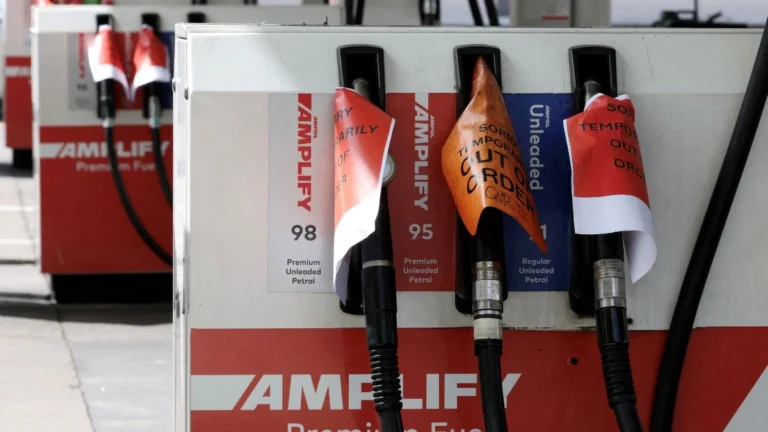
Australia relies heavily on imports for its fuel needs, with approximately 90% of its fuel being imported. Since the escalation of the Iran war, the country has experienced localized fuel shortages. The conflict has disrupted global fuel supply chains, leading to delays and cancellations of several shipments to Australia. As a result, fuel stations across the country have been running low on either gasoline or diesel.
Key Changes in the Fuel Security Strategy
To address these challenges, the Australian government is making critical adjustments:
- New Fuel Security Powers: The government will give the export-finance agency the authority to underwrite fuel purchases by private companies. This move will bolster the local supply of fuel.
- Legal Amendments: On Monday, the government plans to introduce amendments to the export-finance and insurance laws in parliament to provide these new powers.
Prime Minister Albanese emphasized that these steps are not about restricting freedoms but about proactively addressing the age-related challenges in the fuel supply chain and ensuring a more secure future.
Current Fuel Stock Levels in Australia
As of March 2026, Australia has a stockpile of 39 days’ worth of petrol and 30 days of diesel and jet fuel. Although supply levels remain stable for now, the country’s energy minister, Chris Bowen, acknowledged that certain areas have seen interruptions in fuel availability, especially following the cancellation of six shipments from Asia.
State-Specific Approaches to Implementation
While the federal framework will be applied across the nation, individual states are adopting flexible measures to make compliance easier:
- New York: Will use mobile DMV units to visit senior centers.
- California, Florida, Texas: Offering discounted training programs for drivers and incentivising compliance.
- Other States: Considering telehealth assessments for testing and compliance.
These varied methods aim to ensure that fuel supply remains uninterrupted while helping businesses and households adapt to any changes in supply.